Be the first to comment on this book.


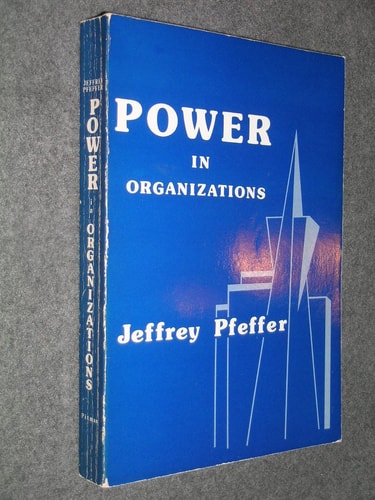
This book aims to synthesize current knowledge on power in organizations, and to develop a reasonably consistent theoretical perspective that can guide analysis and understanding of power phenomena. Throughout the book, hypotheses are proposed which have no empirical evidence to support them.The perspective of this book is basically sociological. Power is seen as deriving from the division of labor that occurs as task specialization is implemented in organizations. When the overall tasks of the organization are divided into smaller parts, it is inevitable that some tasks will come to be more important than others. Those persons and those units that have the responsibility for performing the more critical asks in the organization have a natural advantage in developing and exercising power in the organization. Although individual skills and strategies can certainly affect the amount of power and the effectiveness with which it is used, power is first and foremost a structural phenomenon.Understanding the Role of Power in Decisionmaking * Assessing Power in Organizations * Conditions for the Use of Power * Sources of Power in Organizations * Political Strategies and Tactics * Political Language and Mobilizing Support and Quieting Opposition * Power in Use * Perpetuating Power * Power, Politics and Management