Thousands of books are waiting to be discovered.
Recommended Books
See All

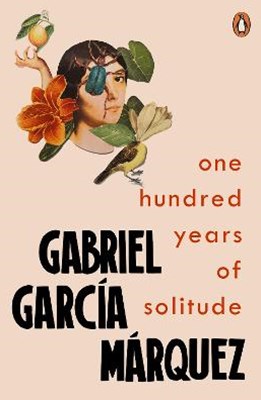

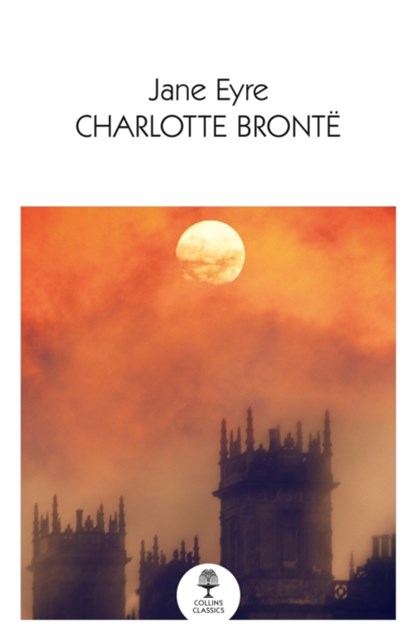










“Can you not understand that liberty is worth more than just ribbons?”
Animal Farm • George Orwell“Better sleep with a sober cannibal than a drunken Christian.”
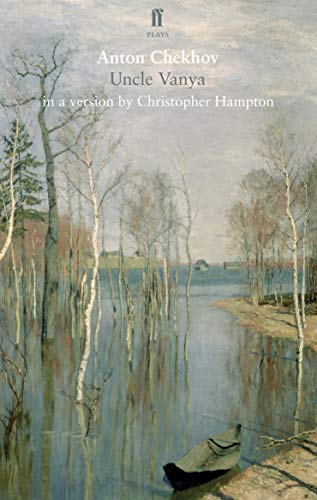
Moby Dick • Herman Melville““Well, he used to say that the great thing in married life was patience. Do you hear, Vanya? Not love, but patience. Love cannot last long. You have lived two years in love, and now evidently your married life has reached the period when, in order to preserve equilibrium, so to speak, you ought to exercise all your patience. . . .””
Seagull • Anton Chekhov“"Some of the time he passed in a light sleep, although he frequently woke from it in alarm because of his hunger, and some of the time was spent in worries and vague hopes..."”
Metamorphosis and Other Stories • Franz Kafka“When it is stated in Genesis that God said to Adam, “Only from the tree of the knowledge of good and evil you must not eat,” it follows as a matter of course that Adam really has not understood this word, for how could he understand the difference between good and evil when this distinction would follow as a consequence of the enjoyment of the fruit. When it is assumed that the prohibition awakens the desire one acquires knowledge instead of ignorance, and in that case Adam must have had knowledge of freedom, because the desire was to use it. The explanation is therefore subsequent. The prohibition induces in him anxiety, for the prohibition awakens in him freedom’s possibility. What passed by innocence as the nothing of anxiety has now entered into Adam, and here again it is a nothing-the anxious possibility of being able. He has no conception of what he is able to do; otherwise-and this it what usually happens-that which comes later, the difference between good and evil, would have to be presupposed. Only the possibility of being able is present as a higher form of ignorance, as a higher expression of anxiety, because in a higher sense it both is and is not, because in a higher sense he both loves it and flees from it.”
The Concept of Anxiety • Soren Kierkegaard